
Background and purpose
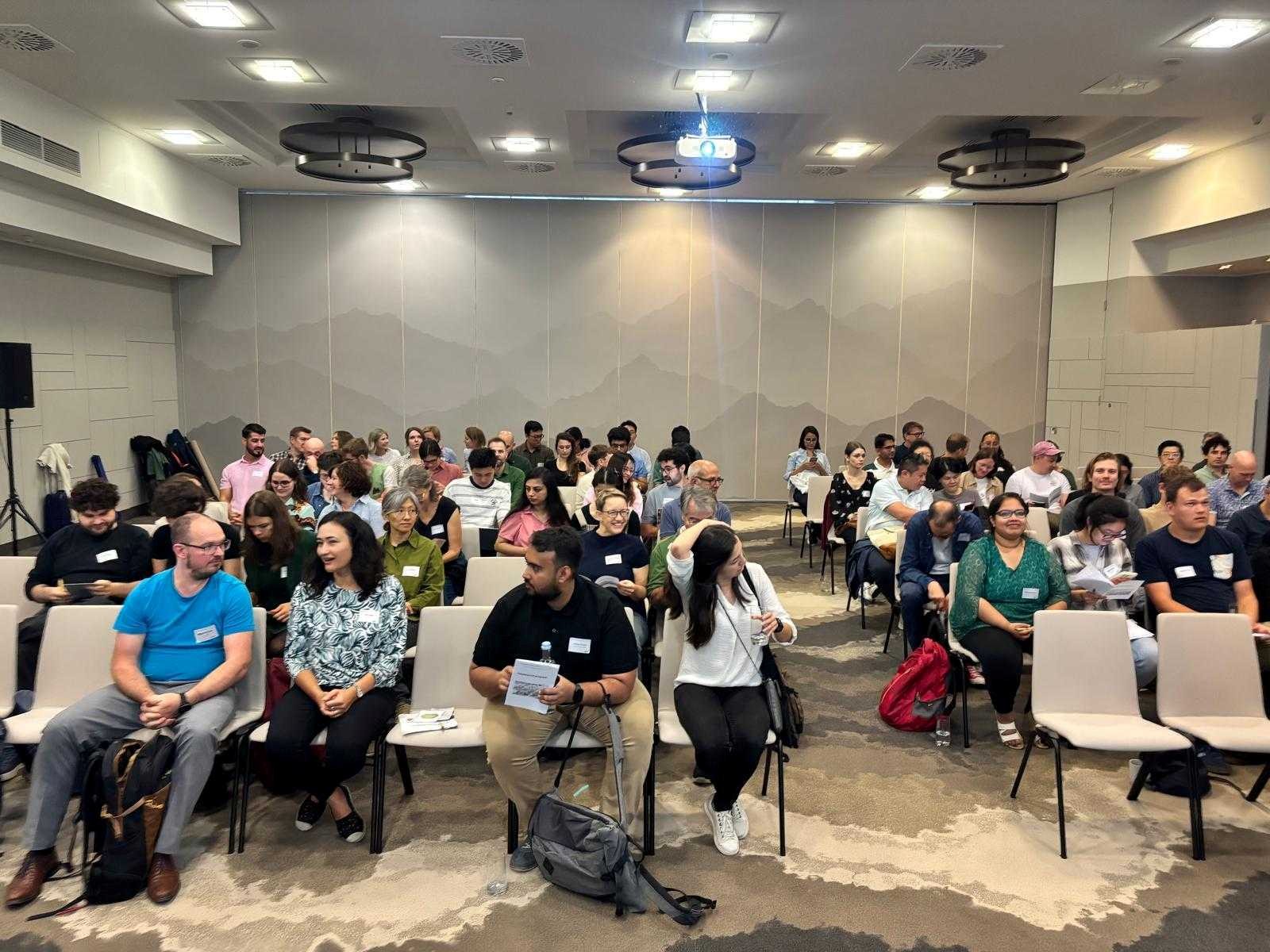
The Plant Peptides and Receptors Meeting (PPRM) is an annual international conference, first celebrated in 2013. The PPRM brings together scientists working on diverse biological questions where plant peptides and receptors play a key role. Over the years, a common signaling logic for receptors with different architectures has emerged. One key aspect of this meeting is the interdisciplinarity and cross-field collaborations between researchers focusing on plant development, reproduction, immunity or evolution.
Programme
The meeting was structured in 9 thematic sessions, where Immunity, Development and Signaling represented the most popular topics:
Reproduction
Immunity I
Development I
Symbiosis
Signaling I
Cell wall signaling
Development II
Signaling II
Evolution
Immunity II
Most sessions started with the presentation by an invited speaker, followed by short talks selected from abstracts. The invited speakers focused on the following topics:
Philipp Denninger, Würzburg University, DE: “Should I Stay or Should I Go - Regulating pollen germination in Arabidopsis thaliana”
Gwyneth Ingram, ENS Lyon, FR: “Embryo-endosperm communication in developing seeds: Establishing the boundaries of an ambiguous relationship”
Malick Mbengue, CNRS Toulouse, FR: “Complementary signalling pathways for arbuscular mycorrhiza”
Julia Santiago, Uni. Lausanne, CH: “Cell-specific protein complexes coordinate cell wall patterning and architecture to drive cell expansion”
Elena Shpak, University of Tennessee, US: “Meristem-derived signaling promotes pith identity and controls stele organization in Arabidopsis”
Elwira Smakowska-Luzan, University of Wageningen, NL: “Structural and functional insights into fungal glycan recognition by plant Cysteine- Rich Receptor-Like Kinases”
Jian-Min Zhou, Institute of Genetics and Dev. Biology, China: “Dual signaling in mid-long distance disease resistance priming”
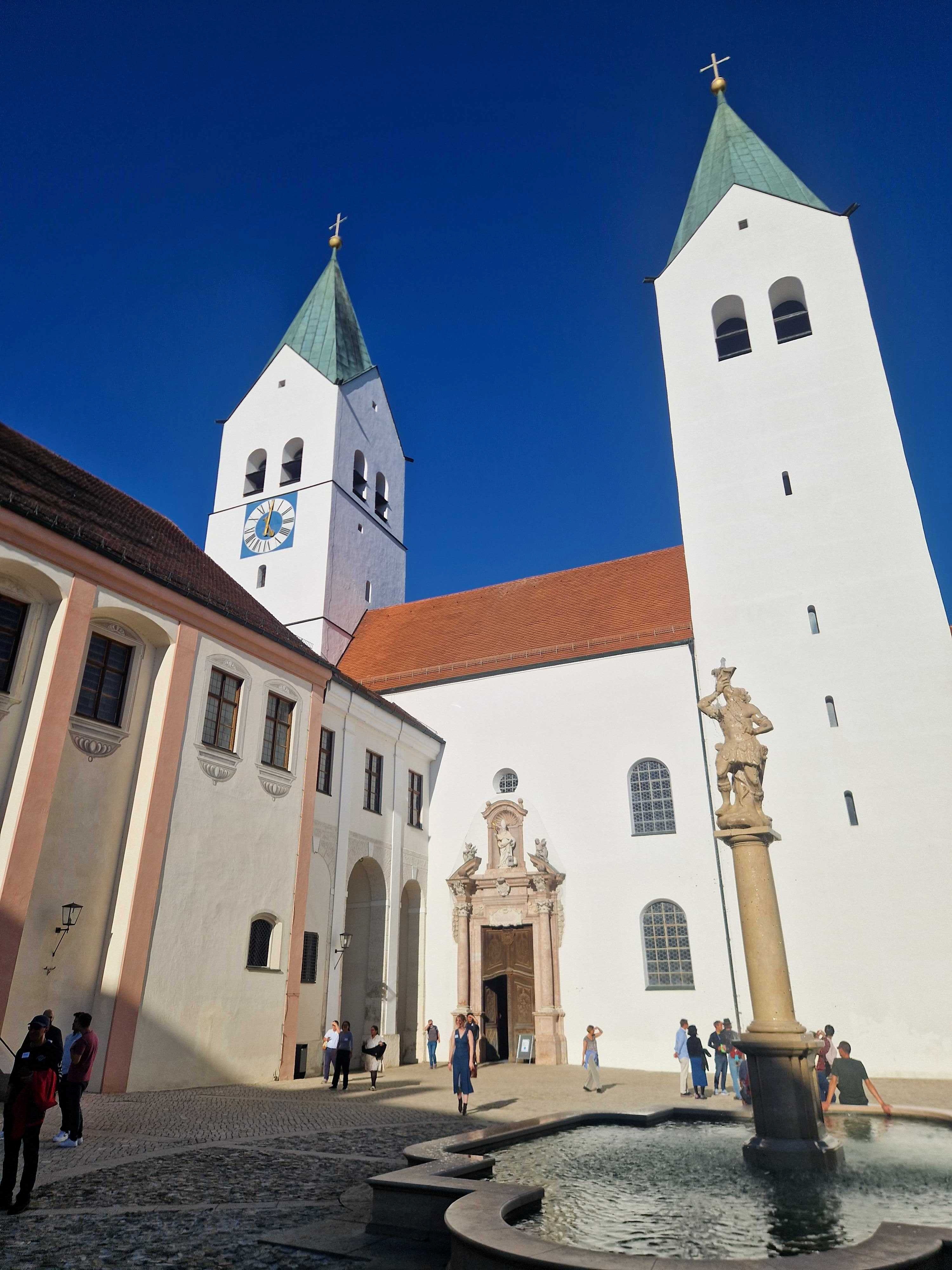
Up to 20 poster presenters had the opportunity to give a flash talk on their posters, an excellent opportunity to highlight the projects from ECRs. A guided tour around Freising also served as a networking event in smaller groups.
Highlights and recent research topics
The PPRM participants shared exciting and often unpublished results on different aspects of plant peptides and receptors. The connection between cell-surface receptors and the cell wall or membrane lipids, the insights from phosphoproteomics, structural biology and molecular dynamics, the molecular and functional basis for ligand diversity and specificity, or the intricate signaling integration from different ligand-receptor pathways were some of the compelling directions of this field.
Awarded talks and posters from ECRs
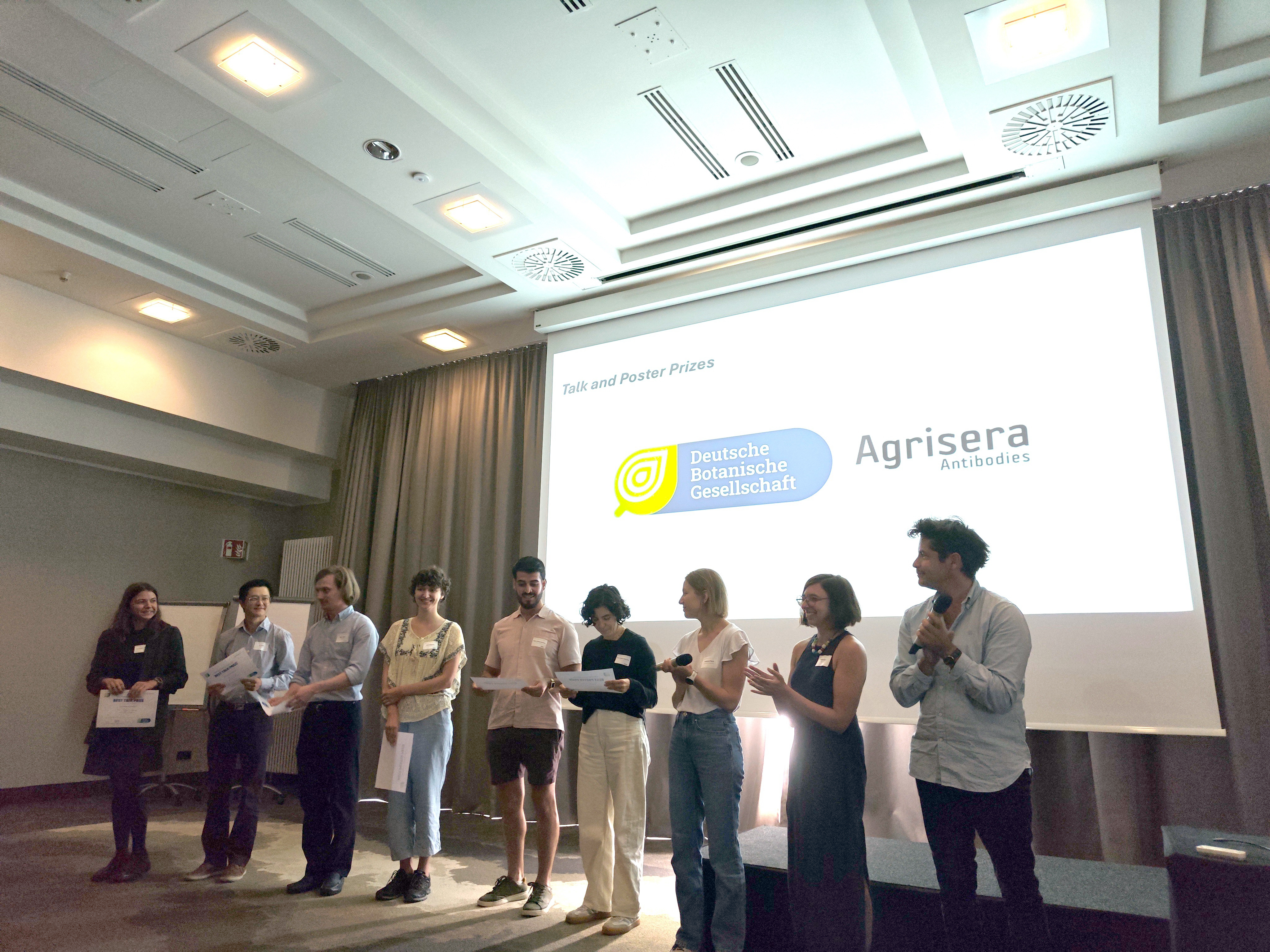
ECRs represented almost 75% of the presenters. Due to the size of the meeting, ECRs had the possibility to discuss about their research and career options with principal investigators and peers. The number of selected short and flash talks, where ECRs were well represented, was an excellent opportunity to present their work. Moreover, and thanks to the generous support from the German Society for Plant Sciences (DBG), six early-career researchers were awarded prizes for the best talks and posters.
The talk prizes received:
Xu Wang (University of Hohenheim, Germany)
Bruno Smet (University of Fribourg, Switzerland)
Tora Fougner-Økland (LMU, Germany)
The poster prizes were given to:
Pedro Jimenez Sandoval (University of Lausanne, Switzerland)
Anne Bogusch (Julius-Maximilians-University Würzburg, Germany)
Diana Gomez De La Cruz (University of Zürich, Switzerland)
----
Jun-Prof. Dr. Isabel Monte, Evolution of Plant Signaling Lab, Department of Plant Physiology, ZMBP, Universität Tübingen, Auf der Morgenstelle 32
D-72076 Tübingen